 Image 1 of 1
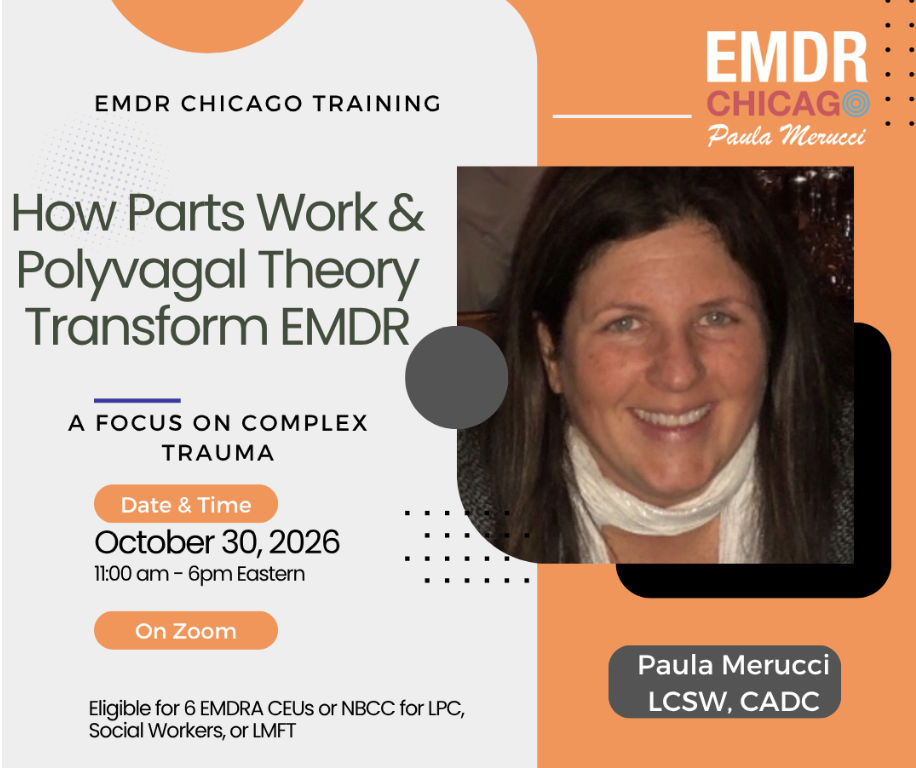
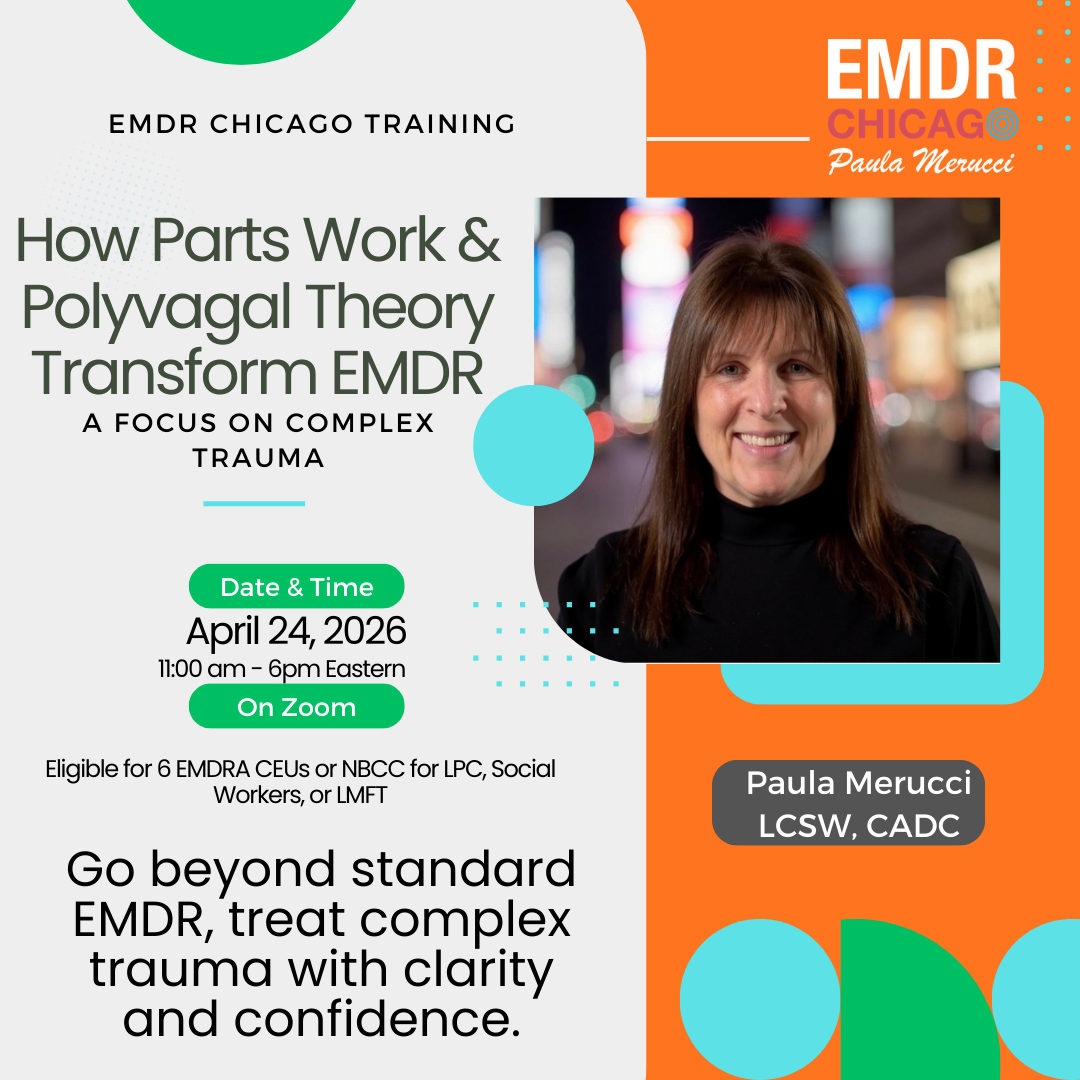
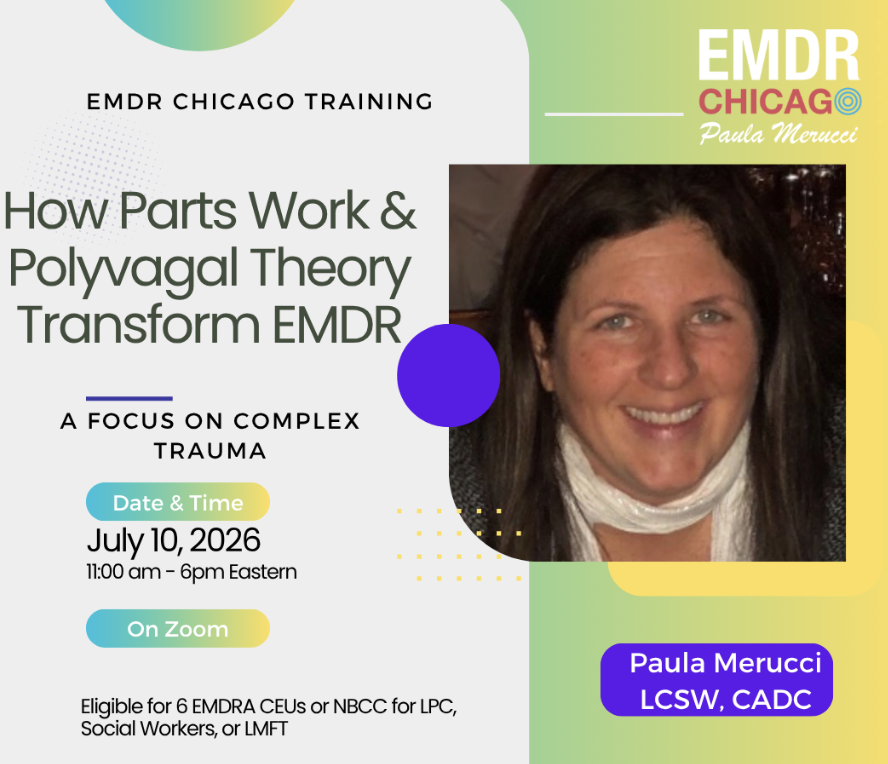
This training is designed to help you “brush up” on your foundational EMDR skills and then go beyond the basics to skillfully navigate the complexities of dissociation. In this workshop, we will:
Revisit the Basics: Review key EMDR principles and standard protocols, including the original target sequence planning and the reprocessing of the 3-pronged targets.
Expand Your Clinical Lens: Learn to identify Complex PTSD and the dissociative subtype of PTSD, where the client’s dissociative responses must be understood and managed before moving into the memory reprocessing phases (3-6).
Build Your Assessment Toolkit: Explore the use of dissociation measures (DES and MID) and the application of Polyvagal Theory to better understand the autonomic nervous system states that underlie dissociative responses.
Address Protector Parts: Gain practical strategies for working with dissociative “protector parts” that maintain safety through dissociation. Learn how to engage with these internal states to stabilize the client before delving into memory work.
Adapt the Standard Protocol: Understand how to thoughtfully modify phases 1 and 2 of EMDR to prepare clients with complex presentations for phases 3-6, ensuring that reprocessing is not derailed by dissociation.
By the end of this training, you’ll have a clearer roadmap for assessing and preparing complex trauma clients for EMDR, empowering you to work more effectively and compassionately with those who present with layered trauma and dissociative processes. Join us and learn how to confidently adapt EMDR to the realities of complex trauma treatment.